
So, you’ve decided that sheep might be a nice addition to your existing farm, or a good place to start your farming adventures. You may have decided that Katahdins would be the best breed for your situation. After all, they’re hardy, easy care with their shedding hair coat and parasite resistance, and they’re wonderful mothers. Everything sounds great so far, but what now? Where do you go from here? And how do you actually get started? Part 1 of this two-part series will offer questions for you to consider on lots of important topics with links to other EAPK blogs where you can dig deeper into a particular subject. Part 2 will provide a guide to keeping your sheep healthy and productive.
Facilities
First, it’s a good idea to make sure you can actually have sheep on your property. Are there zoning or other restrictions on land use? Do you have adequate acreage? Do you have adequate forage? The number of sheep per acre depends in large part on the type and quality of the forage and your management system. Your local Extension or National Resources Conservation Service (NRCS) office may be able to provide information on stocking rates in your area. Do you have access to hay if you do not have enough pasture? Have you identified potential poisonous plants and trees in your pastures? Sheep are always willing to try new plants, which isn’t always a good thing.
Do you have adequate facilities? Fencing is needed not just to keep sheep in, but to keep predators (including the neighbors’ dogs) out. Electric perimeter fence is fine if your area isn’t prone to frequent power outages or heavy snow, and if you’re meticulous about keeping brush and grasses from growing into the fence and shorting it out. Woven wire is often more expensive but can be lower maintenance in the long run. When visiting farms to buy sheep, ask for a tour of the farm to get ideas for your own farm infrastructure.
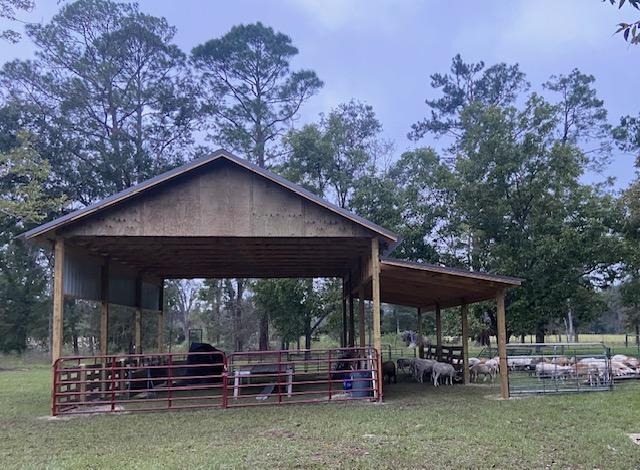
Will you need a barn, or will other forms of shelter suffice? A lot depends on your climate and what time of year you plan to have lambs born. You will also need a place where you can weigh, tag, and separate animals if necessary. Are you able to provide clean water to the animals at all times, especially during hot weather, when ewes are lactating, and during the winter when water troughs freeze? Are there large animal veterinarians in your area and are they taking new clients? Are hay and feed readily available and are they affordable? Where will you store the feed? Will you need the space to store an entire winter’s worth of hay, or is there a supplier near you that will store it for you or sell it as needed? How do you plan to keep the barn and pastures clean? Do you have a plan to handle manure? Be prepared for your needs to change as you grow your flock and gain experience.
Time commitment
Finally, do you have the time necessary to be successful? At a minimum you will need to be sure the animals have appropriate water, feed, and cover on a daily basis. Spending a few minutes each day simply observing the sheep will often help you catch problems before they become serious. Do you plan to rotationally graze pastures? Rotations can be daily, every couple days, or even weekly. Trimming hooves, vaccinations, deworming, checking FAMACHA scores, tagging, and recordkeeping all take time as well (more on these in Part II).
Ideally, the ewes will be doing most of the work during lambing with minimal intervention by the shepherd. However, do you have time if a ewe needs help or a lamb is ill? How will you handle a rejected lamb that requires bottle feeding? Do you have the time or interest for marketing your lambs? Consider your plans for travel, vacation, and time away from the farm. Do you have a backup plan to care for your sheep while you’re gone? And, do you have time to continue learning through workshops, reading, webinars, etc.
Goals
Once you have the necessary facilities, you’ll want to focus on your short- and long-term goals for your flock. If you simply want sheep to maintain your grass, you may not need to worry about breeding and raising lambs. Your facility needs will also be minimal. A good option for grass maintenance is to purchase wether lambs (neutered male sheep) or feeder lambs to raise for the season, putting them in your own freezer or selling to others in the fall. This could also be a good first step, allowing you to see if you actually enjoy handling sheep, with a minimal investment of time and money before purchasing your own flock.
If you plan to raise lambs, there’s more to consider. It’s important to realize that not every lamb will fit your goals. If you plan to raise meat lambs, you will undoubtedly have some lambs that you feel are too good to butcher. What will you do with them? Will you expand your flock, or sell them as breeding stock? Likewise, if you plan to raise breeding stock, you will have lambs that are not breeding quality. What will you do with these lambs? Put them in your own freezer or take them to auction?
If you’re interested in raising your own lambs for meat, some questions to consider include: Has your family tried eating lamb and do they enjoy it? Are there processing facilities nearby, or do you have the expertise to safely and humanely handle harvesting the animals yourself? If you’d like to sell retail cuts of lamb, you’ll need to check your state and federal labeling regulations and local business license requirements. Is there a processing facility licensed for retail sales available within a reasonable distance? If you plan to raise meat lambs to be sold through an auction, is there a livestock auction within a reasonable distance? Do you have a means of transporting sheep?
If you plan to sell breeding stock, there are even more questions. Will you sell registered or commercial animals? Do you have the knowledge and experience needed to evaluate an animal’s genetic and phenotypic quality and potential, and a desire to make genetic improvements? Will you have the time to keep accurate records of births, weights and health issues? Are you prepared for the time and expense to handle the paperwork needed to register your animals? Are you willing to mentor new owners? Are you a member of your breed association?
Sourcing Your Sheep
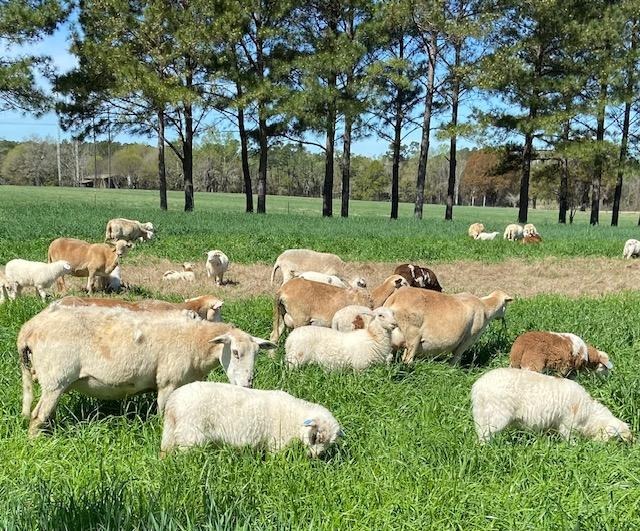
Now that you’ve determined that you have the space, facilities and time necessary to raise sheep, and have your flock goals in mind, how do you go about sourcing sheep? KHSI and EAPK (and most breed associations) have lists of members. Although being a member of a breed organization doesn’t guarantee experience or quality, it can be a good place to start. Talk to different breeders and hopefully visit multiple farms. Animals transitioning from a similar production system often have an easier time. Are there breeders within a reasonable distance? Is the breeder that you’re considering buying from able and willing to act as a mentor? Buying breeding stock from your local sales barn is discouraged. Many farmers sell their cull sheep at such venues and the commingling of animals brings increased disease risks. Buy directly from breeders or breeding stock auctions where you can talk to the breeders about their farm’s production practices including their vaccination and biosecurity protocols.
Here are some other things to consider before buying sheep. Do you want registered or commercial sheep? If you want to focus on raising lambs for meat, you may not need to purchase registered ewes. If you want to produce breeding stock, you’ll probably want registered animals, and perhaps sheep that are enrolled in the National Sheep Improvement Program (NSIP). This program provides owners with Estimated Breeding Values (EBVs) which help predict the genetic potential of each animal for traits such as growth, maternal, and parasite resistance.
Once you’ve sourced your ewes, you should start thinking about how you’ll get them bred even though that’s still a few months away. It may be possible to buy a ram and companion wether from the same breeder as your ewes (a starter flock) as long as they aren’t closely related. Just be sure you’re ready for the ram. Do you have a separate facility to house a ram? If you don’t have the facilities or don’t want to bother housing a ram, consider other options. Is it possible to share a ram with another breeder? Could you buy a ram lamb just before breeding and sell him or put him in the freezer after breeding? How will you avoid inbreeding if you keep the same ram for multiple years? Is it possible to purchase bred ewes your first year? Although these may cost more initially, the savings from not having to worry about a ram the first year might be worth it.
What age of animals should you consider? While most people start with ewe lambs, older ewes can be less expensive and more experienced mothers. Be sure to check that they are sound and ask about their production and health records. If you choose ewe lambs, will you want them right after weaning, typically 3-6 months of age? Will you plan to have them bred to lamb at one year of age, or hold them to lamb at an older age? Ewes lambing at one year of age typically have fewer and/or smaller lambs (singles or smaller twins) than mature ewes. If they are to successfully lamb at one year of age, they will need good nutrition to reach at least 60% of their anticipated mature weight at breeding and continuing good nutrition all the way through weaning their lambs. On the other hand, if you do not plan to breed them until they’re 18 months of age, you’ll need to manage them on lower quality feed so they don’t get too fat before breeding.
How big should your starter flock be? Sheep are flock animals and tend to do better in groups of at least three animals. How quickly do you want to expand? Mature Katahdin ewes (those two years of age and older) typically produce twins or triplets, while yearlings often produce single or twin lambs. Do you have enough space to expand your flock? Do you have a plan to sell the extra lambs or ewes? What are your plans if you outgrow your current space or if a drought limits your ability to provide adequate forage?
Selection
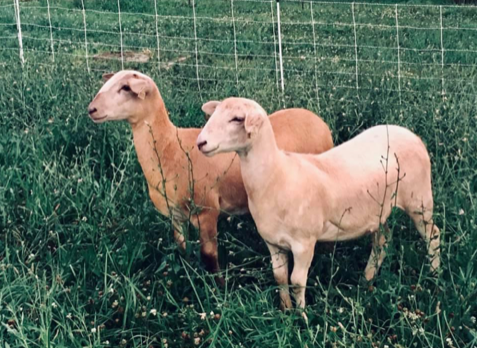
Once you’ve identified a breeder with similar management and you’ve decided on how many and what age of sheep to buy, it’s time to select individual animals. Your goals will help here, as will good production records. If the flock you’re buying from has EBVs, they will help you identify animals with traits that best meet your goals. Even with EBVs, you’ll want to look at the farm’s production records. You’ll at least want to know weights of thelambs (birth and weaning are ideal), and the production record of the dam (the number of lambs she produced each year as well as the number of lambs she weaned). Selecting your animals “at the kitchen table”, or based on production records before you see the animals is a good way to avoid falling in love with that cute little spotted lamb or that big flashy single-born lamb that may not have the qualities you’ve determined you really need. Identify more lambs than you need, then go to the pen and look only at those lambs (or ewes or rams) and make your selection from those animals. Some producers will only show you the animals that meet your criteria if they know in advance what you’re looking for. Don’t forget temperament as a selection criterion; flighty, stubborn or aggressive sheep can be very disruptive.
Bringing them home
Now that you’ve selected your lambs, it’s time to think about bringing them home. Do you have the basic sheep supplies on hand? Find out the vaccination status of your new animals and whether they’ve been dewormed. If so when and with what dewormer? How are they being fed? Abrupt dietary changes can cause serious problems in ruminants, so any changes need to be incremental. How will you get the animals home? Consider the number of lambs you’re getting, their ages and sizes. Do you need a trailer, will they fit in the back of a pickup, or in an extra-large dog crate (or two) in the back of your SUV? Remember that keeping the move as low stress as possible will help get them off to a good start at their new home.
Remember that your fencing should be good enough to keep your sheep in, but also to keep predators out. Unfortunately, a lot of sheep are injured by domestic dogs every year. If your family dog is new to sheep (regardless of their breed), be sure to introduce them in a controlled fashion and do not leave them together unsupervised until you are 100% sure that your dog is trustworthy. Even breeds that have been bred to herd or guard livestock should not be trusted alone until they’ve been properly introduced to your new flock and you can be sure they’re safe.
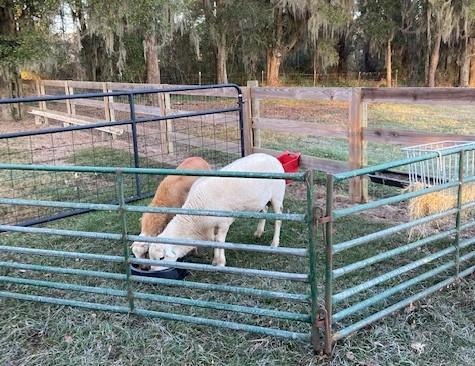
Many people purchase their new flock after weaning in the summer or in the fall. Provide plenty of clean water and adequate shade when they arrive at their new home. Do you have the facilities to isolate the new sheep where they will not have nose to nose contact with existing animals? New arrivals should always be quarantined and kept separate from any existing sheep for at least 30 days. This will give you time to evaluate the new animals for any potential health concerns. It will also give you time to deworm the new arrivals if necessary, and to gradually change their diet.
Preparation and reflection are the keys to successful shepherding. Part 2 of this series will cover ways to keep your sheep healthy and productive, as well as thoughts on selecting the best lambs to retain in your flock, which to cull, and factors to consider when marketing your sheep.
By: Kathy Bielek and Roxanne Newton, EAPK Communications Committee

