
Congratulations if you’ve recently purchased sheep or are making plans to acquire your own flock. Now that you are officially a shepherd, the following information can be used as a guide to keeping your sheep healthy and productive. Links to earlier EAPK blogs provide resources for further information on particular topics.
Information resources
One of the most important “tools” you can have as a shepherd is a strong support system. It’s not a question of “if” but “when” things will go wrong. It happens to all of us – a sick animal, forage or equipment challenges, parasite pressure, genetics that aren’t working out, and more.
Develop a relationship with a veterinarian, ideally one who has experience with sheep, before you have an emergency. It’s no fun trying to find a vet at midnight during an ice storm when your favorite ewe is having trouble lambing. In addition to providing routine and emergency medical care, your vet can provide a certificate of veterinary inspection (CVI) which you’ll need if you plan to show sheep at a fair, sell sheep at a breeding stock auction, or are transporting sheep across state lines. Finding a large animal veterinarian can be challenging in some areas. Ask other local sheep or livestock producers for recommendations or check the American Association of Small Ruminant Practitioners’ website. Find out what services are offered, such as flock health, vaccinations, and parasite management, and how they handle farm visits vs taking the animal to their clinic, vs phone consultations.
Your new sheep should arrive with USDA scrapie ID tags. If you plan on breeding and selling sheep, you will need an official USDA premises ID in order to buy your own scrapie tags. Contact USDA/APHIS or your state veterinarian’s office for information on how to apply, how to get free tags, and for your state’s requirements for moving sheep.
While you may have done some initial research, now is a good time to learn the basics of sheep production and forage management, ideally from dependable, trustworthy sources such as breed associations, local Extension, NRCS, etc. Sign up for any sheep and grazing workshops and webinars they offer. Local and regional resources are important since challenges and forages differ, sometimes greatly between regions.

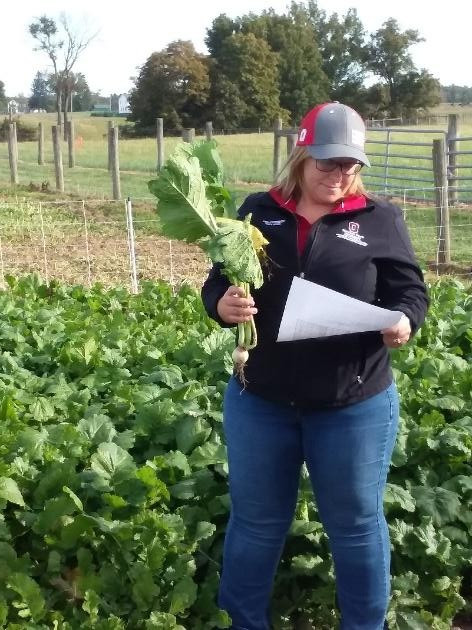
Getting information from the internet or social media can be both a blessing and a curse. You can find valuable, reliable advice and research from small ruminant experts, but be very cautious of self-proclaimed “experts” touting experimental or unproven techniques or treatments. Learn the basics first before experimenting with alternative measures.
Find a mentor. This could be the producer you purchased your flock from, or another experienced shepherd. Having someone you can call on who knows you, your flock and your management goals will be invaluable as you learn and gain experience as a shepherd.
Health
You’ll want to learn normal, healthy sheep behavior, as well as the common signs and symptoms of illness. Sheep in general are very good at hiding illnesses. Changes in behavior, often subtle, can be early signs of illness: not eating, not chewing their cud, not grazing, isolating, lethargy or lying down when all the other sheep are grazing. Spend time watching your sheep daily so that it becomes easier to spot animals that are sick.
Many common problems with sheep can be prevented with good management. One of the simplest ways to prevent health problems is to maintain a clean and dry environment. Whenever possible, isolating sick sheep will help to prevent infections from spreading throughout the entire flock.
Buy a thermometer and learn to take a temperature on your sheep. It’s not hard and the information will help you determine whether you’re dealing with an infectious or metabolic condition. It’s also important information to share when consulting your veterinarian. Keeping basic supplies and medications on hand and up-to-date will allow you to handle routine situations yourself or to stabilize an animal while waiting for the vet.
Keep infectious disease off your farm by practicing good biosecurity. Quarantine all new animals you bring onto the farm. Consider testing new animals for communicable diseases such as ovine progressive pneumonia (OPP), caseous lymphadenitis (CL) or Johne’s disease. Have farm shoes that you only wear on your own farm. You can bring disease in on the bottom of your shoes if you wear them to other farms or a livestock auction. Be sure visitors wear clean shoes, disinfect their shoes or wear plastic boots.
Eventually you will have a dead sheep, either a lamb or an adult. Have a plan on how to dispose of any mortalities, either by burying or composting. Check local laws to find out what method of disposal is permitted in your area. In some local municipalities, waste management departments will accept dead animals (for a fee).
Have a plan for humane euthanasia in case of an emergency such as an accident or predator attack. If you don’t own a gun, a captive bolt device can be a good investment. Having a contingency plan for euthanasia will save a lot of stress when or if an emergency arises.
Nutrition
Body condition scoring is an easy way to estimate the nutrient needs of your animals. Plan to maintain your sheep in a body condition of 2.5 to 3.5 by adjusting nutrition. It can take several weeks to move one condition score, and it’s much easier to add weight to a sheep than to remove excess weight.
Growing lambs, ewes in late gestation, and during lactation require higher quality feed, while dry ewes require the least. Ewes can lose a lot of condition during lactation if nutrition is inadequate. In drought conditions, or if adequate nutrition is not available, early weaning might be an option.
Know the quality of the feedstuffs you’re providing. Sheep cannot tolerate moldy, dusty or very stemmy hay like cattle. Feeding the appropriate ration for the stage of production is cheaper in the long run. Very thin and very fat sheep are more susceptible to parasites, diseases, weather changes and lambing problems. A high quality loose mineral mix, appropriate for your location, should always be made available.
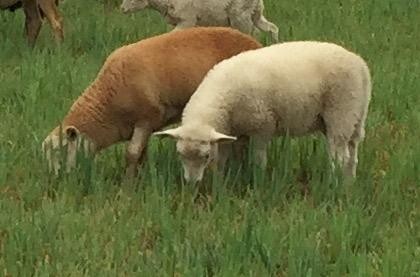
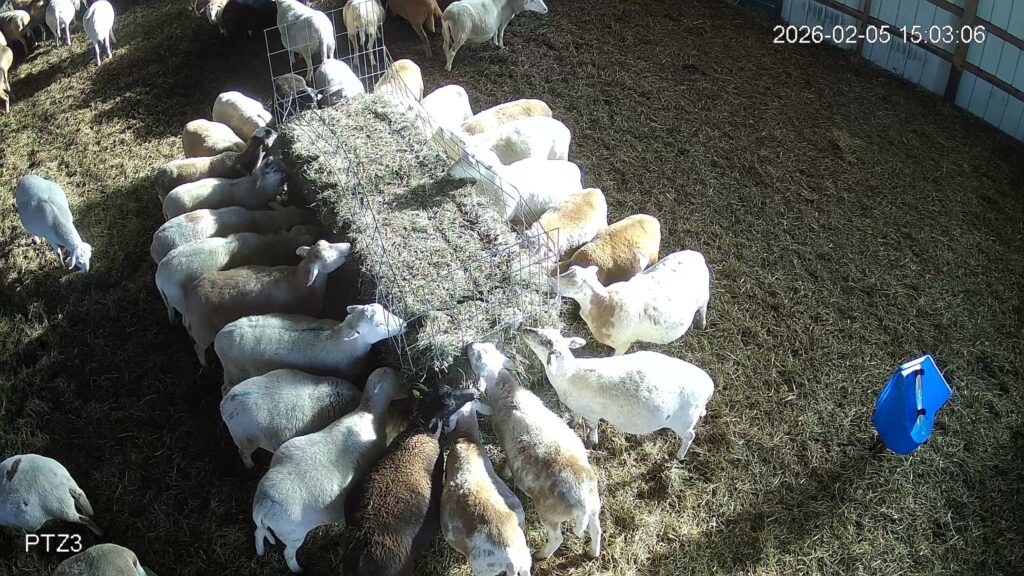
Flushing is the practice of increasing a ewe’s nutrition for 3-4 weeks before putting the ram in, and continuing for 3-4 weeks during breeding. When ewes are in lower body condition, flushing leads to more eggs being ovulated and may increase your lambing percentage. It doesn’t usually have much effect on over-conditioned ewes.
Parasites
Internal parasites are one of the biggest threats to sheep. Two parasites of particular concern for shepherds are coccidia and the Barber pole worm (Haemonchus contortus). Coccidia can cause severe scours; damage to the GI tract can lead to long term poor growth even when lambs recover from the acute infection. Coccidiosis mostly affects young, growing lambs; adult sheep usually have a low level of coccidia but are not adversely affected. Coccidia thrive in warm moist areas, so keeping bedding dry and avoiding muddy areas around water troughs will go a long way towards preventing disease. Consider adding a coccidiostat to feed or minerals for lactating ewes and young lambs.
The barber pole worm is a blood feeding parasite that affects grazing sheep, especially in warm, humid conditions. Young lambs and lactating ewes are at greatest risk and should be monitored frequently. Barber pole worms can cause anemia, leading to anorexia, reduced milk production in ewes, slower lamb growth, ill thrift, and even death. Other intestinal worms do not cause anemia but can damage the intestinal tract resulting in scours, weight loss and profound production losses.
It isn’t realistic or even possible to be 100% parasite free, so keeping the parasites at a tolerable level that doesn’t negatively affect the health of the sheep should be the goal. Regular, routine deworming has led to worms developing resistance to dewormers and should be avoided. An integrated management plan utilizing parasite biology, rotational grazing, proper deworming strategies, genetics, and the use of monitoring tools such as FAMACHA scoring (estimating the level of anemia) to identify sheep at risk works best. Since resistance to worms is heritable, genetic selection for improved parasite resistance is possible by identifying more resistant lambs using fecal egg counts (FEC) and/or EBVs, and/or by purchasing animals with those genetics. More information on parasite management and control can be found at wormx.info.
When to Lamb
The date you put your ram in with your ewes will determine the timing of your entire production year. Ewes have a five-month gestation, so plan your breeding dates to result in your desired lambing dates.
Lambing early in the year (Jan-Feb) provides some parasite resilience for older and heavier lambs when they finally get out on grass, but there will be extra labor and the cost of hay, feed and bedding will add to your expenses. If you’re lambing in an area with cold winters, snow, and/or freezing rain, a barn or other shelter will be very much appreciated by both the sheep and the shepherd.
A shelter may not be necessary when lambing during warm months (May-June), but lambs will be exposed to worms and coccidia when they are younger and more vulnerable. High temperatures in summer can slow weight gain on lambs. Providing easily accessible clean water and a shady area to cool down during the midday heat will help, but realize you may have to adjust your marketing plans to accommodate this “summer slump.”
The predominant forages in your area will dictate when you have the best pasture quality. Actively growing grass is the most nutritious, and ideal for lactating ewes and growing lambs. Where warm season grasses are dominant, pasture quality will be better in the summer, while areas with mainly cool season grasses will have better forage quality in spring and fall. Having the ability to plant annual forages will also impact your decisions. Check with your local NRCS office for region-specific information on grazing.
Consider your market. Lambs born in the fall or during the winter may command higher prices, but out of season lambing often requires different management than spring lambing. If you have to buy supplemental feed when forage is dormant, those costs could eat into your profits.
Finally, consider your time. If you’re busy with spring planting, harvesting, travel or working an off-farm job, you may want to adjust your lambing season to when you have more time to spend on the farm.
Breeding and Ram Management
Don’t wait until breeding time to source a good quality ram. Even if you don’t bring him home right away, you should have a plan for breeding when you purchase your ewes. Ideally, the ram should be kept away from the ewes until just before breeding, so have a separate area ready for him. Your ram will need a companion, since sheep are flock animals and don’t handle the stress of being penned alone well. A wether (castrated male) often makes a good companion.
Rams can be powerful and even dangerous, so facilities will need to be solid. NEVER make a pet out of a ram or ram lamb. NEVER turn your back on a ram. It’s best to avoid using bottle-raised ram lambs as breeders as they can become people-aggressive as they mature. Do not let children or visitors play with a ram or ram lamb. Even the best tempered ram can become aggressive (even momentarily) during the breeding season, when he’s with ewes, or when he’s stressed or ill.
Ewes cycle (are receptive to the ram and able to conceive) about every 17 days. Most shepherds expose their ewes to the rams for at least two cycles (35 days). The use of a marking harness helps determine if ewes have cycled and mated, and allows you to estimate when they are due to lamb. Ideally, rams should not be left with the ewes year-round. Aggressive rams can cause abortions in bred ewes and pose a danger to the shepherd and others. Ewes exposed to rams year-round may produce more single rather than twin births. Having lambs born year-round adds more work for the shepherd and makes providing appropriate nutrition difficult.
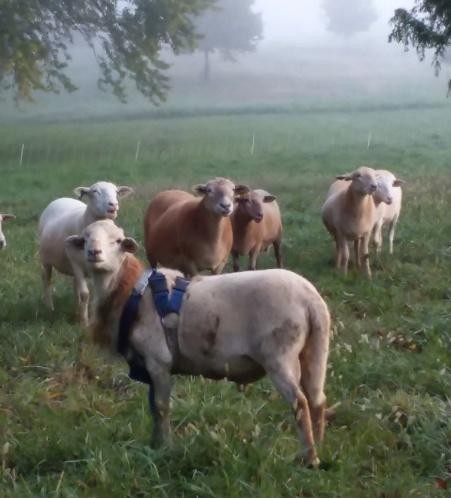
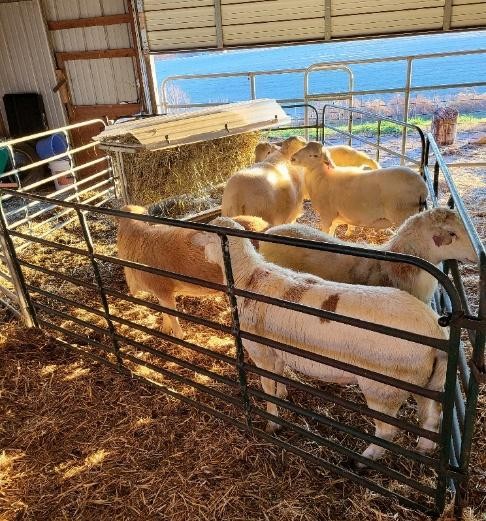
If you have more than one ram, they will need to be reintroduced to their companion rams when breeding is over. Even if they were good friends before breeding, they will likely want to fight one another when they are reintroduced to establish dominance. Pen them up tightly together until they stop fighting so they have less room to cause serious injury to one another. Mature rams of similar size and age are more likely to fight one another. An older, mature ram will typically not harm a companion ram lamb, but animals and situations vary.
Gestation and Lambing
Once rams are removed, ewes in early and mid-gestation don’t require special nutrition. By late gestation (the last 4-6 weeks), ewes will need more energy in their diet to support their fast-growing fetuses. Ewes should be vaccinated for clostridium and tetanus (CD&T) 30 days before lambing; this confers some protection for their lambs via colostrum. As lambing nears, watch for signs of pregnancy toxemia, hypocalcemia and prolapses. Exercise and good nutrition will help prevent most serious problems.
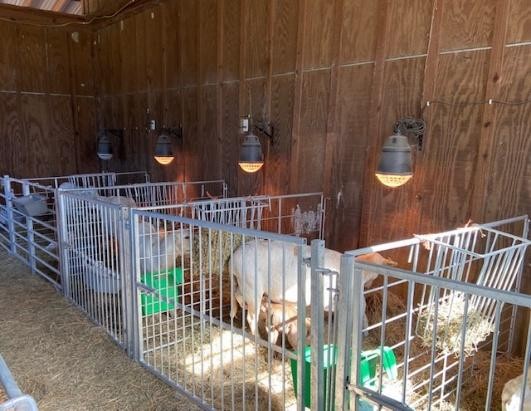
Whether you lamb on pasture or in a barn, you’ll want some portable pens or “jugs” set up or available in case the ewe requires veterinary care or assistance with lambing; in case problems arise with her newborn lambs; and/or to allow the ewe time (a day or two) to bond with her lambs. Often, young ewes or ewes with triplets need more time to bond before releasing into the general population.
Lambs
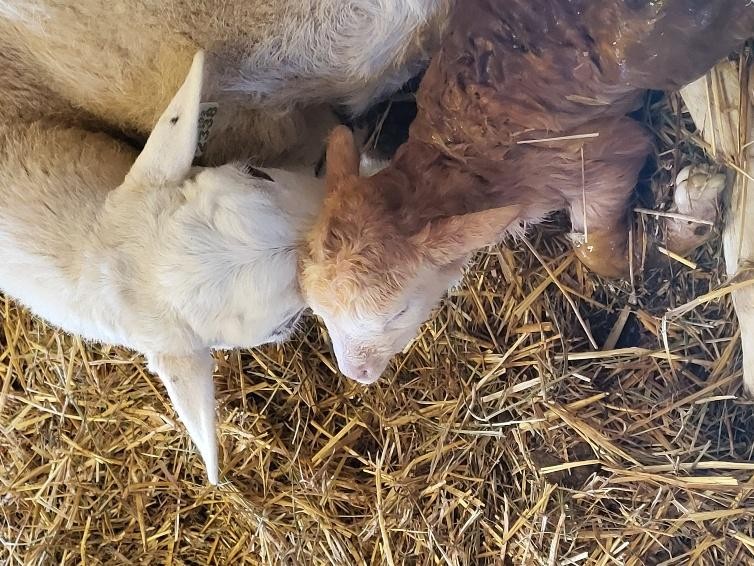
A clean, dry lambing area free of drafts will help prevent many illnesses. Newborn lambs are typically on their feet and looking for their first meal within half an hour of being born. Healthy newborns will have a full tummy, sleep a lot, and stretch when getting up. It’s very important that lambs receive high quality colostrum within their first 12-24 hours of life. If there is any question that their dam doesn’t have enough milk in that time (if she’s rejected the lamb, has/had mastitis, inadequate amount for the number of lambs born, etc.), supplement with colostrum replacer. Having colostrum replacer on hand before lambing begins is cheap insurance.
Lambs that are 1-2 days old that appear lethargic or sick are usually suffering from a lack of adequate nutrition. Check their dam’s udder for an adequate milk supply and be prepared to supplement if necessary. After the first few days, most lamb illnesses are infectious, often through exposure to bacteria in soiled bedding, or muddy, high traffic areas around the barn and waterers.
As lambs get older, they are more at risk of nutrition-related problems such as bloat, polio, clostridium or mineral deficiency/toxicity. The old adage “start low and go slow” is a helpful reminder that changing feed, whether grain or exposure to lush pasture, should be a gradual process. It’s important to provide good quality minerals and to vaccinate lambs before they are transitioning from mother’s milk to only solid food (hay, grain or forage).
Once lambs are on pasture, parasitic infections become a major cause of morbidity or ill thrift. FAMACHA scoring, fecal egg count analysis and body condition scoring are effective methods of screening sheep for parasitism.
At some point you will probably be faced with an orphan lamb, either because it was rejected, its mother had more lambs than she could feed, or she died. While most ewes will not willingly accept a lamb not their own, many can be persuaded to do so by “grafting” the orphaned lamb to the new mother.
Another option is to bottle feed the lamb. Bottle feeding can also be used to supplement a lamb being raised by a ewe with insufficient milk or a ewe with three or more lambs. Bottle lambs are more vulnerable to illness and death, often caused by improper mixing of milk replacer, overfeeding, and/or dirty bottles/nipples, than dam raised lambs. Although it’s challenging (they’re so cute!), it’s best not to make pets of these bottle lambs. What is cute behavior in a 15 lb lamb is definitely not cute in a 150 lb adult.
Weaning
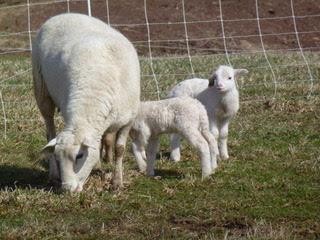
Lambs can be weaned as early as 60 days if they are carefully managed, have a high level of nutrition including creep feed, and are gaining well. Weaning later, at 90-100 days, allows better rumen development, which is especially important if the lambs will be maintained on pasture following weaning. Ewes often have a lower risk of mastitis when lambs are weaned later, since they are producing less milk by then.
Katahdin ram lambs reach sexual maturity at a young age, so you’ll want to separate the ram lambs from the adult ewes by 100-120 days to avoid unplanned pregnancies. Ewe lambs typically don’t start cycling before five months of age, so ram and ewe lambs can stay together for another month or so, which will help reduce the stress of weaning.
Weaning is one of the most stressful events in a lamb’s life, so avoid other high stress events (moving to a new home, vaccinations, changing feed, etc.) for a couple weeks before and after weaning when possible.
Recordkeeping
Regardless of whether you’re selling meat lambs or high-quality breeding stock, keeping good, accurate records on your sheep is important. At a minimum, you should record the lamb’s sire and dam, tag number, birth type, sex and a record of any medications given (product name, dosage and date). Keep drug withdrawal times in mind before selling any treated animals to prevent drug residues in the meat. A livestock scale is a good investment, as collecting birthweights and weaning weights will give you valuable information and allow you to monitor the growth of the lambs, performance of the dams and contributions from the sire. You should also record any issues with the dam such as lambing difficulties, mastitis or poor mothering.
Weights (ideally at least birth and weaning or 60-day weights), FAMACHA and body condition scores help determine which ewes and lambs are best suited to your management and environment. This information will help you decide which animals to keep, sell or cull.
Any discrepancies in weaning weights (or total litter weight) should be investigated. A ewe with subclinical mastitis often goes undiagnosed during lactation, but when evaluating weaning weights, one or both of her lambs will often have a weaning weight significantly below the group average. In general, a set of twin siblings should be comparable in weight with minor differences due to sex.
In the days and weeks after weaning when udders are supple, evaluate them carefully for uneven size, evidence of mastitis, hardbag, or lumps in the udder or teats and consider culling those with problems. Re-check udders again before breeding to catch ewes that developed mastitis at weaning.
Selection
Once your lambs have been weaned, it’s time to get serious about deciding the future plans for your ewes and lambs. Use birth records, weaning weights, body condition scores, health records, ewe mothering behavior, fecal egg counts (if done) and/or FAMACHA scores, the physical appearance of the animals, your goal sheet, and any other notes that will help with your decision. Realize that not every animal born in the flock is breeding quality. Even some of your original purchases may not live up to their early potential.
Evaluate each animal individually against your flock goals. You can’t and shouldn’t keep them all; have a plan to keep your flock size manageable. Every shepherd’s goal is to make their flock better each year and the best way to do that is to keep the best and sell the rest. Ewes that were poor producers or failed to raise their lambs, have chronic health problems, repeated parasitic infections, or mastitis should be culled. Culled ewes should never be sold as breeders. One good ewe can produce more lambs (and income) than two underperforming ewes with a lot less time and aggravation for the shepherd.
Don’t forget your ram or rams during your evaluation and selection process. Did your lambs perform to your expectations? If you only used one ram, it can be difficult to compare the performance of his offspring to rams used in different years as there are so many variables – weather, possibly a different mix of ewes, different parasite challenges, hay/forage quality, etc. If you used more than one sire, compare the offspring of each ram for differences in growth rates and/or parasite problems since these are the more heritable traits. Consider whether any undesirable traits can be traced back to one sire. Replace any rams that are not helping you reach your flock goals.
Marketing and Promotion
Ultimately the goal for your flock is to make a profit producing good quality animals. When starting out, many new producers focus on selling meat lambs or commercial ewe lambs as they learn and grow their flocks, and until a customer base is built for registered breeding stock (if desired). While this can be a slow process, you can begin by learning effective ways to market your sheep, reaching out to like-minded producers, attending sheep educational events and by improving your genetics. Gaining knowledge and experience will go a long way in helping you reach both short-term and long-term goals,
If you are selling meat lambs, know your market. Are you selling weanlings, light lambs for the ethnic market, pasture-raised lambs, or feeder lambs for the traditional/ heavier retail market? Groups of lambs that are healthy, clean, and with a consistent and appropriate weight for their age will bring higher prices. Consider when you plan to sell since lamb prices (especially meat lambs) are extremely variable and often depend on ethnic holiday schedules, supply and demand.
When selling breeding stock, your reputation is on the line with every sale so only offer good quality animals that are healthy, structurally sound, and free of defects or other undesirable qualities. You should be prepared to provide production records and pedigrees, and to fulfill your responsibilities to register and transfer ownership of purebred animals in a timely manner. Be honest and ethical. For instance, don’t advertise your sheep as “grass-fed only” if you’re feeding grain, or as “parasite resistant” if you don’t have fecal egg counts collected and analyzed. Satisfied customers are more than willing to promote your sheep and your breeding program.
The most effective way to learn about sheep is through experience. Develop a strong support system; be open and willing to change as you learn and grow your flock. The best sheep are those that adapt well to your management; the best shepherds are ones that can adjust their management when faced with unforeseen circumstances (storms, drought, family illness) to meet the needs of their sheep. Raising sheep is both challenging and rewarding. Success takes time and effort. Just like any business venture, get involved, get your name out there, and back up what you claim with good data and good sheep. And, have fun!
By: Roxanne Newton and Kathy Bielek, EAPK Communications Committee

